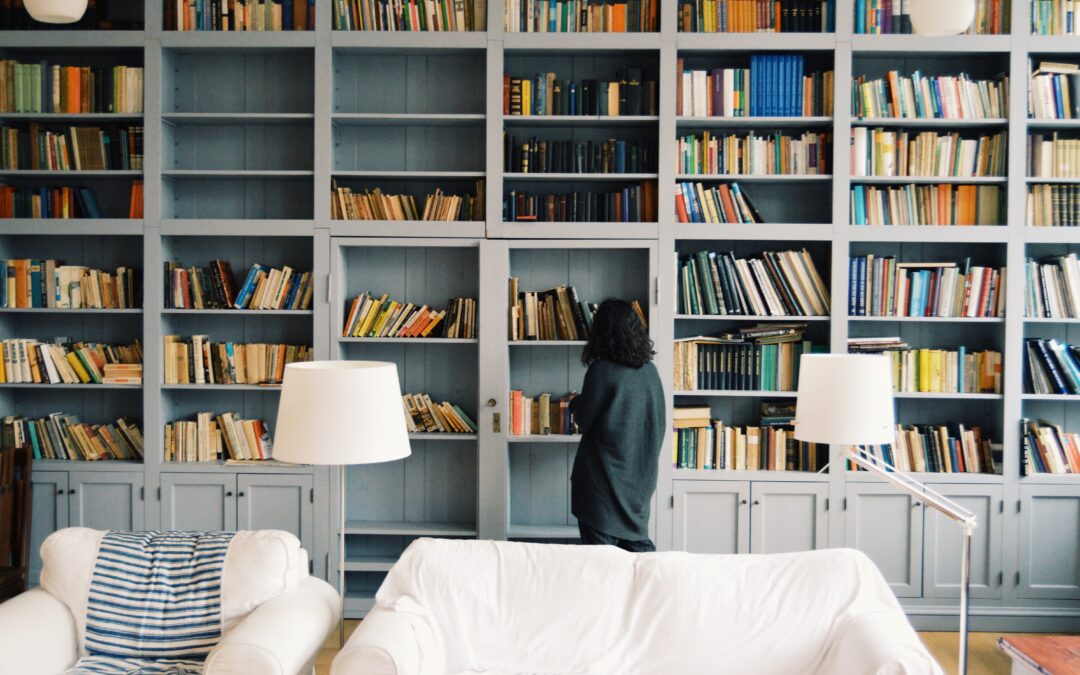
Why would you read this genre?
We see this classification all the time; women’s fiction, contemporary women’s fiction, popular women’s fiction and so on.
So how do you know this genre is the right one for you?
According to Wikipedia, “Women’s fiction is an umbrella term for women centered books that focus on women’s life experience that are marketed to female readers”.
The genre is distinct from Romance although of course the two do overlap; a lot. If Women’s Fiction covers books focusing on a woman’s life experiences, then it is hardly surprising that many of those experiences are going to be because of romantic entanglement, good or bad.
But it’s about so much more. Aside from romantic love, women give and receive love with their children, their parents, their friends. And the thing is, sometimes they don’t. Sometimes, something falls apart somewhere.
But there is so much more. Women have careers, they have unfulfilled aspirations, they have secrets. Some have a burden they must carry alone, some have health issues, bereavements. And many will face tough choices. They will experience fear, disappointment, anger, shame, and joy.
No wonder it’s such a popular genre for readers.
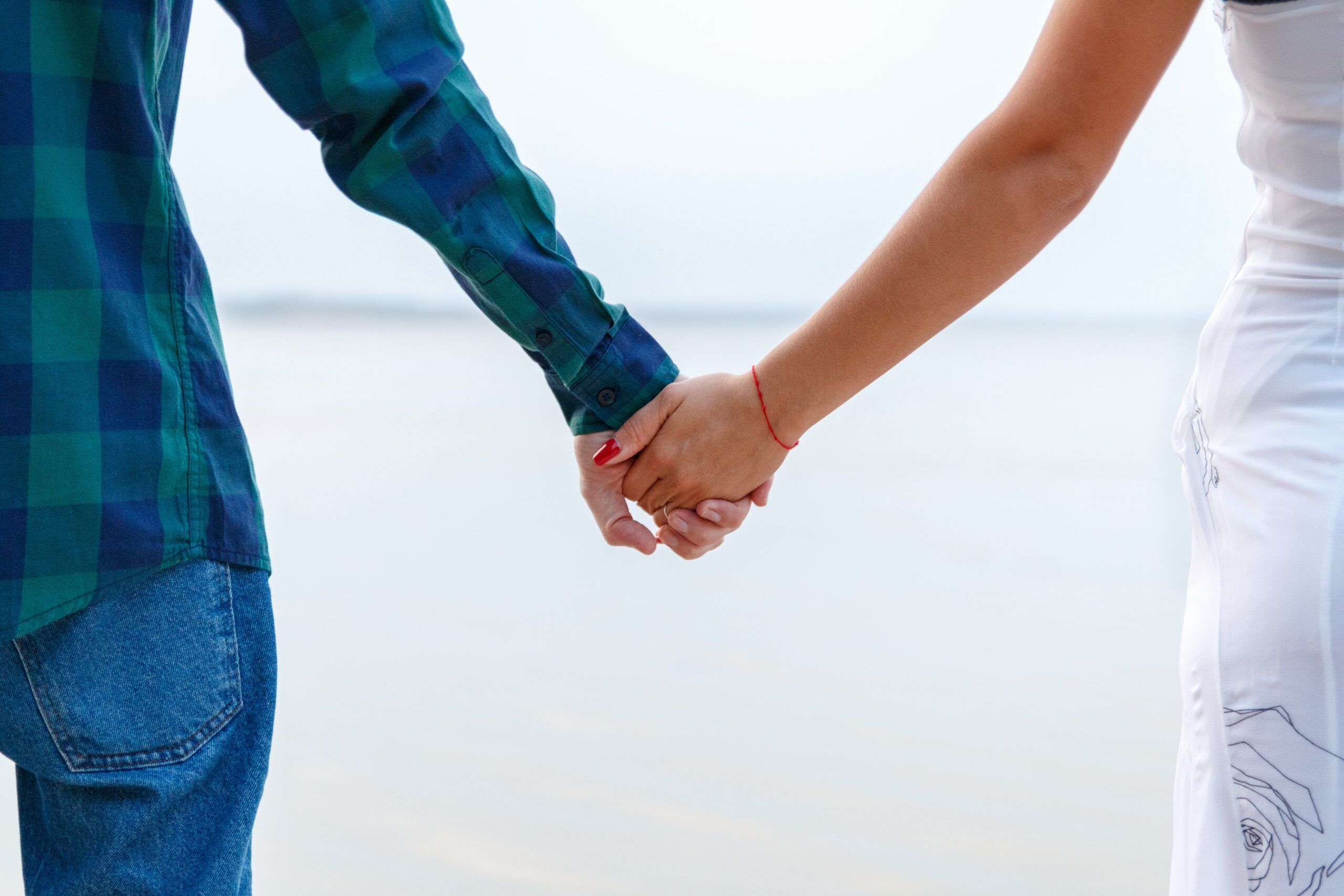
The journey taken
I’m paraphrasing here as this is everywhere on the internet and seems to vary a little each time I see it, but it’s one of my favourite ‘advice to writers’ quotes. It’s from John le Carré, who said, “The cat sat on a mat is not a story. The cat sat on the other cat’s mat—now that’s a story!”
Because there is so much conflict in real life, from arguing about what to have for dinner, to monumental decisions like whether to stand by a cheating husband, reading about such struggles resonates with many of us.
It hardly matters that it’s fictional; it’s not even relevant if the struggle you are reading about is something you have never experienced. The fact is, when we are drawn into a story, part of us tries to predict how the protagonist will react. We put ourselves in her shoes, even if she differs greatly from us. We wonder what we would do in the same situation.
After all, we do this with other people in real life all the time. Our friends might come to us with a problem and (assuming there is some empathy!) we try to see things from her point of view, to assess how the decision she is faced with is going to affect her life. It’s part of growing and developing as a human being and it never stops.
Feeling the pain, second hand
With fiction, a writer can take us to places that we really don’t want to go in real life. Some books-and I’m thinking particularly about stories involving the loss of a child-can be almost unbearably painful. Each time I have read such a book, the horror that losing a child does happen to people in real life, strikes home like a spear through the heart.
But there is something else that some, possibly most, women’s fiction books do. That is, they provide hope. Whilst it’s true that writers are continually experimenting with the narrative arc of stories, the standard process tends to underline each book. It introduces us to the main characters, we learn of their conflict, of the struggles ahead that they must overcome. We go with them on a journey which may have some wrong turns and will involve introspection as they question their own handling of a situation.
But then, they find a way through. They see that glimmer of hope, feel a sense of peace and fulfillment and realise that the future could be better. Sometimes, it’s a dramatically rapid upturn in fortunes and sometimes it’s just the promise of happier days to come.

When all you have is hope
When I wrote Breaking Eggshells, I had the advantage (if you can call it that) of understanding what my main character, Amanda, faced. Although the story is entirely hers and her personality is vastly different to mine, I could use my own experience of having my husband leave to be with someone else to flesh out the thoughts and feelings that Amanda had to deal with.
I wanted to show that there is hope. That sometimes, we can be in the depths of despair, unprepared to believe that we can ever be happy again but there is ALWAYS hope.
In the story, Amanda had to deal not just with the failure of her marriage but with the odd dynamics between herself and other family members. She had to face home truths, she had to be brave and carve out the life for herself that she deserved, not the life she had settled for. When I wrote the blurb for the book, I finished with the line “should she go to the safety of the shallows or take the risk and dive right in at the deep end?”
Whatever the trials we face, it is most often because of changes we make ourselves and the courage we find to put those changes into practice that make our lives worth living, and make women’s fiction such a vibrant and gratifying genre.
What do you think? Do you enjoy women’s fiction or can you not see the appeal?
Love, Liv x
©Liv Andrews 2021